

The Thrill of Risk and Reward
One of the primary psychological drivers behind casino games is the thrill associated with risk and reward. Players are often drawn to the potential for a substantial payout, which can ignite feelings of excitement and anticipation. This heightened emotional state plays a significant role in why individuals continue to engage in betting activities. The unpredictability of outcomes, along with the use of a real money poker app, creates an exhilarating atmosphere that attracts many to the casino setting.
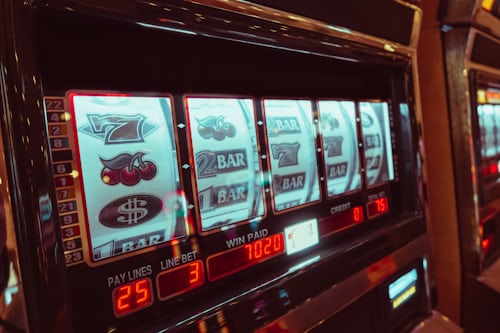
This thrill is not merely about monetary gain; it involves a psychological reward system that activates the brain’s pleasure centers. When a player wins, the surge of dopamine makes them feel euphoric, reinforcing the behavior and prompting them to bet again, often despite the odds being against them. Thus, the continuous cycle of risk and reward can lead to repetitive betting behavior, as players seek to replicate that euphoric experience.
The Illusion of Control
Another factor influencing players is the illusion of control. Many participants in casino games, such as poker or blackjack, believe they can influence the outcome through skill or strategy. This perception fosters a sense of empowerment and can drive players to continue betting, as they feel their decisions can lead them to victory.
However, the reality is that most casino games are primarily based on chance, with outcomes dictated by random number generators or luck. Despite this, the belief in their ability to affect results can keep players engaged for extended periods. This illusion perpetuates a cycle where individuals continuously return to the tables, convinced that their strategies will eventually pay off, even in the face of repeated losses.
The Social Aspects of Gambling
The social environment of casinos also plays a crucial role in player engagement. Many individuals enjoy the communal experience of gambling, sharing the highs and lows with fellow players and forming connections based on a shared interest. This social interaction can amplify the excitement of betting, creating an atmosphere that encourages repeated play.
When individuals are surrounded by others who are also betting, they may feel more inclined to join in, fostering a sense of belonging. This social reinforcement can lead to increased betting frequency, as players wish to maintain their participation in the group dynamic. Essentially, the social aspects of gambling can significantly impact individual behaviors and choices regarding betting.
Advertising and Marketing Influences
Casino operators understand the psychological triggers that motivate players and often utilize targeted advertising and marketing strategies to enhance these desires. Promotions, bonuses, and loyalty programs appeal to players’ emotions, encouraging them to keep betting and prolonging their engagement with the casino.
Additionally, the design of casinos and the games themselves is meticulously crafted to stimulate the senses. Bright lights, captivating sounds, and enticing visuals are strategically placed to create an immersive experience that captivates players. This sensory overload can lead to a disconnection from reality, encouraging longer betting sessions as individuals become engrossed in the moment.
Insights for Investors in the Casino Industry
Understanding the psychology behind casino games is essential for investors and stakeholders in the gambling industry. Recognizing the factors that drive player behavior and engagement can inform better marketing strategies, game design, and customer retention efforts. By tapping into the psychological triggers that motivate players, businesses can develop more effective approaches to attract and retain customers.
While access to specific resources on this topic may be restricted, the fundamentals of consumer psychology in casinos remain a rich area for exploration. Investors seeking to enhance their knowledge can greatly benefit from insights into the various psychological elements at play within this dynamic industry.